
EPC Project for the Construction of Automatic Water Environment Monitoring Stations in Shenzhen.
Introduction
As a modern coastal city, Shenzhen places immense importance on the quality of its water environment, which significantly influences the city’s image and the quality of life for its residents. With the increasing urgency of water governance in the region, public expectations regarding water quality have expanded from terrestrial sources to coastal areas, and from surface water to groundwater. This shift has led to a growing demand for transparency in water quality information. However, the existing water environment monitoring network and methodologies have proven inadequate for addressing the challenges of effective water management and protection.
Project Overview
To tackle these challenges, the Shenzhen Environmental Monitoring Center has launched an extensive project to expedite the construction of an automatic water environment monitoring system. The project has a total investment of 510 million RMB and aims to establish a comprehensive and efficient monitoring framework that provides real-time data on surface water, groundwater, and land-based runoff entering the sea.
The project encompasses the following key components:
Construction of Monitoring Stations:
-
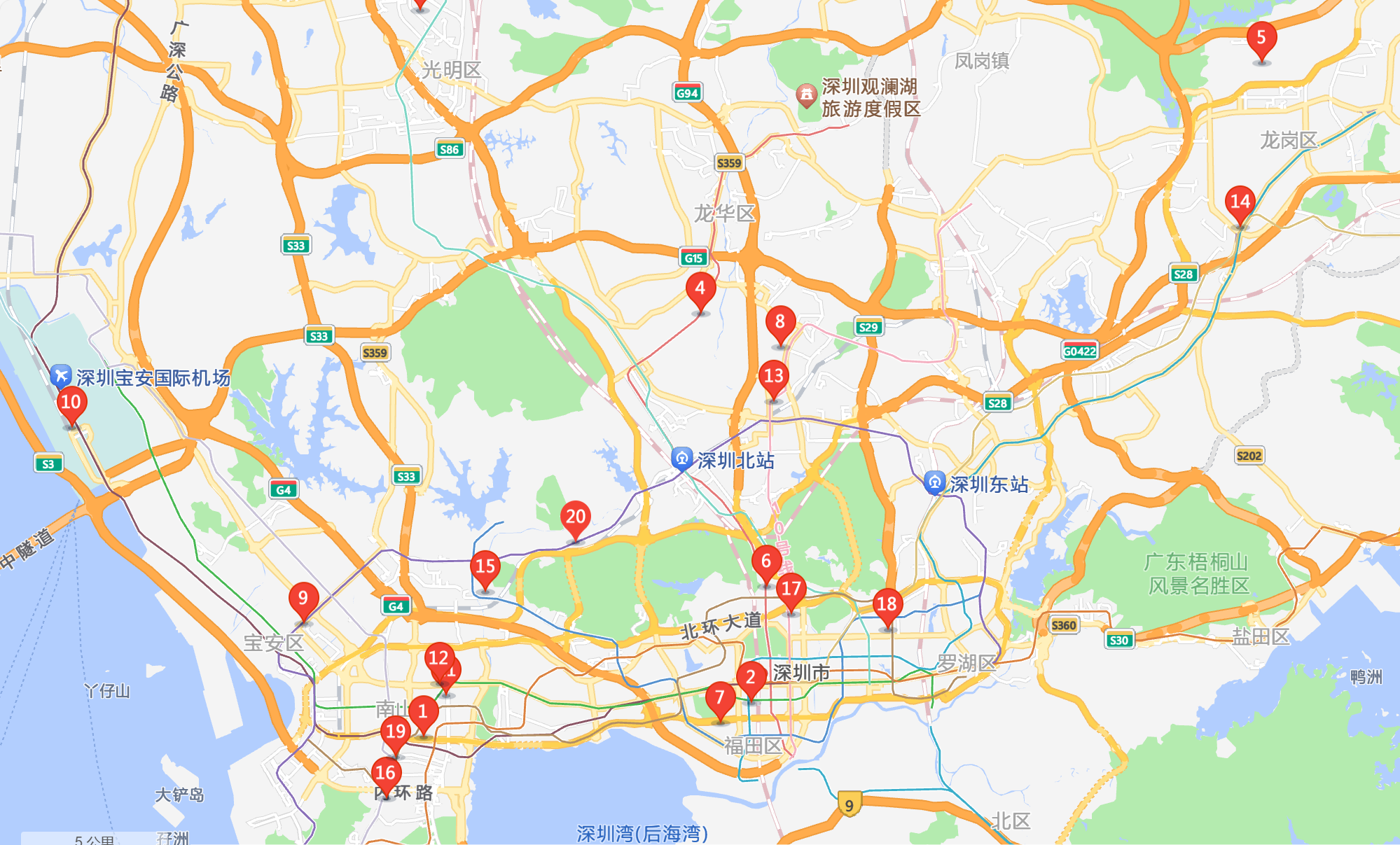
- 191 Automatic Water Quality Monitoring Stations:

- 156 Surface Water Quality Stations(93 river water quality monitoring stations,and 63 drinking water source reservoir monitoring stations)
- 21 Groundwater Pollution Monitoring Stations
- 10 Acid Deposition Monitoring Stations
- 4 Mobile (vehicle-mounted) Water Quality Monitoring Stations
- 191 Automatic Water Quality Monitoring Stations:
Development of a Data Center Platform:
Establishment of a centralized water environment monitoring data center for data collection, analysis, and reporting.
Quality Control System:
Implementation of a robust quality control system to ensure data accuracy and reliability.
Technological Innovations
The project incorporates a variety of advanced monitoring technologies and equipment, including:

- Integrated Intelligent Water Quality Monitoring Stations
- Scenic Micro-Type Water Quality Monitoring Stations
- Container-Type Water Quality Monitoring Stations
- Cabinet-Style Water Quality Monitoring Stations
- Buoy-Type Water Quality Monitoring Stations
- Miniature Water Quality Monitoring Stations
- Upgraded Existing Monitoring Sites
- Mobile Water Quality Monitoring Stations
- Groundwater Pollution Automatic Monitoring Stations
- Acid Deposition Monitoring Systems
Additionally, the project provides a suite of analytical instruments to facilitate comprehensive water quality analysis, such as:
- Multi-parameter water quality analyzers
- CODMn automatic analyzers
 TOC water quality analyzers
- Ammonia nitrogen analyzers
- Total phosphorus and total nitrogen automatic analyzers
- Online Doppler flow meters
- Online heavy metal analysis systems
- Oil content automatic analyzers
- Volatile phenol analyzers
- Residual chlorine and total chlorine analyzers
- Nitrate, sulfide, cyanide, fluoride, and chloride analyzers
- Formaldehyde automatic analyzers
- Online biotoxicity monitoring instruments
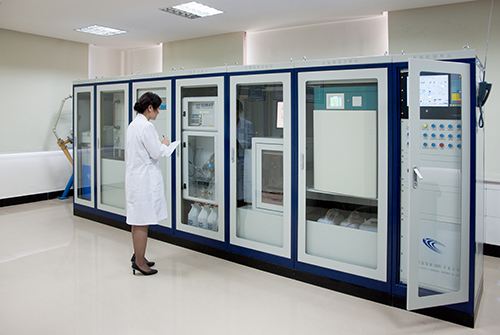 TOC water quality analyzers
Significance of the Project
This automatic water monitoring system is crucial for Shenzhen to obtain timely, accurate, and online monitoring data for its water environment. The project’s successful implementation will enhance the city’s ability to manage water resources, protect environmental health, and meet the rising public demand for information on water quality.
By establishing a robust monitoring network, Shenzhen is taking significant steps toward improving water governance and ensuring the sustainable management of its vital water resources. This project not only addresses current environmental challenges but also sets a precedent for similar initiatives in other urban areas.
Conclusion
The establishment of the automatic water environment monitoring system in Shenzhen marks a pivotal advancement in the city’s environmental management capabilities. By leveraging cutting-edge technology and comprehensive monitoring strategies, Shenzhen is poised to enhance its water quality management efforts, thereby safeguarding the health of its citizens and the integrity of its natural resources for future generations.
